


Strategic Upskilling:
Maximising the Value of Online Career Courses
See also: Finding a Job
Online education has fundamentally democratised access to professional development. The ability to acquire new skills, master emerging technologies, and stay relevant in a rapidly shifting economy is no longer restricted by geography or traditional academic schedules.
However, navigating the crowded marketplace of online learning requires strategy. Many platforms market themselves with bold promises of "guaranteed employment" or instant career transitions. While these marketing tactics are appealing, they often mask the reality of professional development: true advancement stems from the actual competencies you acquire and how effectively you can demonstrate them to employers. By approaching online education with a critical eye and a clear roadmap, you can dramatically boost your employability and career trajectory.

Moving Beyond the "Job Guarantee" Myth
It is crucial to approach online courses that promise guaranteed jobs with a healthy dose of scepticism. While some bootcamps or specialised platforms do have strong hiring partnerships, a certificate alone rarely secures a position. Employers hire based on demonstrated ability, cultural fit, and adaptability.
Instead of relying on an artificial guarantee, view online courses as powerful tools to refine your critical thinking, build a robust portfolio, and bridge specific knowledge gaps. Taking the initiative to upskill independently signals to hiring managers that you are self-motivated, adaptable, and committed to Continuous Professional Development (CPD). These are the traits that actually guarantee long-term employability.
The Tangible Advantages of Digital Upskilling
When used correctly, career-focused online courses offer structural advantages that traditional classroom learning often struggles to match. Here are the primary benefits of embracing digital upskilling:
-
Targeted Specialisation
Traditional degrees provide broad foundational knowledge, but the modern workplace often demands highly specific, niche competencies. Online courses allow you to laser-focus on exact skills—whether that is mastering a specific CRM software, learning advanced data analytics, or improving your communication skills for remote teams. You can acquire exactly what you need without paying for filler modules.
-
Unmatched Flexibility
Modern technology constantly evolves, requiring continuous practice and education. Online training courses can be integrated seamlessly into a busy professional life. Whether you are dedicating an hour before breakfast, listening to lectures during your commute, or studying on weekends, asynchronous learning ensures that your professional development does not require you to sacrifice your current income or personal responsibilities.
-
Cost-Effectiveness and High ROI
Traditional education often involves high tuition fees, commuting costs, and expensive physical textbooks. Conversely, online instruction typically relies on digital resources, lifetime access to video materials, and scalable platform infrastructure. This dramatically lowers the barrier to entry, allowing you to achieve a high return on investment (ROI) by acquiring high-income skills for a fraction of traditional educational costs.
-
Global Networking Opportunities
Many high-quality online course platforms feature discussion forums, peer-review assignments, and live cohort sessions. This provides a unique opportunity to interact with professionals from around the globe. Engaging actively in these spaces allows you to build a diverse professional network, exposing you to different industry practices and cultural approaches to problem-solving.
How to Make the Most of Online Career Courses
Enrolling in a course is only the first step. To truly translate your digital education into real-world career advancement, you must approach the process strategically. Simply watching videos passively will not yield results. Follow these steps to ensure you maximise your learning outcomes:
Develop a Career Roadmap: Before browsing platforms, define your objective. Are you looking for a promotion, a lateral career move, or a complete industry pivot? Audit job descriptions for your target roles to identify recurring required skills. Only invest in courses that directly address those specific knowledge gaps.
Vet the Curriculum and Instructors: Look beyond the marketing copy. Review the syllabus in detail to ensure it covers modern, up-to-date methodologies. Check the credentials of the instructors and read independent reviews from past students to verify that the coursework translates into actionable, real-world skills.
Practice Active Learning: Treat an online course with the same rigour as a traditional classroom. Take detailed notes, complete all optional assignments, and build a portfolio of work as you progress. The goal is not just to pass the final quiz, but to retain the information so you can speak about it confidently in an interview.
Leverage Your New Network: Be a proactive participant in community forums. Ask questions, offer feedback on peers' work, and build relationships. Make it a habit to use LinkedIn to connect with your instructors and classmates, expanding your industry footprint.
Update Your Professional Branding: Once you have completed the course and can confidently apply the skills, immediately update your CV and LinkedIn profile. Do not just list the certificate; include bullet points detailing the specific projects you completed and the practical applications of what you learned.
Further Reading from Skills You Need
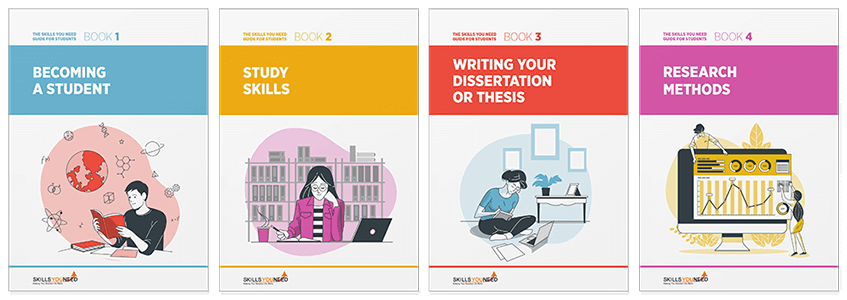
The Skills You Need Guide for Students

Develop the skills you need to make the most of your time as a student.
Our eBooks are ideal for students at all stages of education, school, college and university. They are full of easy-to-follow practical information that will help you to learn more effectively and get better grades.
Conclusion
In a rapidly changing digital economy, continuous upskilling is no longer optional; it is a fundamental requirement for career longevity. While the allure of courses offering guaranteed jobs is strong, true professional security comes from taking ownership of your own development.
By leveraging the flexibility, targeted specialisation, and affordability of online courses, you can build a formidable skill set. Combine this education with strategic networking and a proactive approach to the job market, and you will dramatically increase your value to current and future employers.
About the Author
Sarah Jenkins is an educational strategist and career development consultant. She specialises in helping professionals navigate the digital learning landscape to identify high-ROI upskilling opportunities.
With over a decade of experience advising both corporate learning divisions and individual job seekers, Sarah focuses on translating academic achievements into tangible workplace competencies.