


Overcoming Challenges as an
International Student in the U.S.
See also: Intercultural Awareness
Embarking on a journey as an international student in the United States is an exciting and transformative experience. It offers unparalleled opportunities for personal growth, academic enrichment, and deep cultural exploration. However, the voyage of studying abroad is rarely without its hurdles.
International students routinely face a unique set of obstacles as they adapt to a new country, navigate complex cultural differences, and strive for success in a highly demanding academic environment. This guide explores the most common challenges encountered during this transition and provides practical, actionable advice on how to overcome them, ensuring you can maximize the value of your educational journey.
To succeed as an international student, you must move beyond simply surviving the curriculum. It requires active engagement with your environment, a willingness to step outside your comfort zone, and a proactive approach to managing your administrative, financial, and emotional well-being.

Key Strategies for Success as an International Student
-
Navigating Immigration and Visa Regulations
One of the first and most persistent challenges for any international student is navigating the complex web of U.S. visa and immigration rules. It is absolutely essential to stay informed about the latest requirements, maintain your documentation meticulously, and comply strictly with all regulations to protect your legal status.
From ensuring your academic documents are in order to providing compliant visa photos, every single detail matters. The key to managing this administrative burden is to be highly proactive and strictly organised. Your university's Designated School Official (DSO) or International Student Advisor is your most valuable resource. They are trained experts in this area and can provide clarity and assistance on everything from maintaining your required course load to understanding your work eligibility under Curricular Practical Training (CPT) or Optional Practical Training (OPT). Schedule regular check-ins with them and never be afraid to ask questions. A clear understanding of your visa regulations will provide peace of mind and ensure a smooth, uninterrupted stay.
-
Adjusting to a New Culture
Moving to a different country with its own unique customs, social norms, and ways of life can be overwhelming. International students often experience a distinct period of "culture shock," which can manifest as homesickness, frustration, or a profound feeling of isolation. It is important to remember that this is a completely normal, expected part of the psychological adaptation process.
To ease this transition, actively engage with your new environment rather than retreating from it. Participate in campus activities, join student clubs, and seek support from your university's international student services. Making friends with both local and international students can create a strong, diverse support network and foster genuine intercultural awareness.
An additional and highly effective option is to go beyond the campus borders and explore the local community. Attend local festivals, visit museums, explore historical sites, and join community gatherings. Immersing yourself in the local culture, even in small and incremental ways, will not only enhance your understanding and appreciation of American traditions but will also help you to feel significantly more connected and at home in your new surroundings.
-
Enhancing Your Language Proficiency
For many international students, English may not be their first language, and communicating in a new language—both academically and socially—can be a significant challenge. Enhancing your language skills through dedicated, daily practice is key to boosting your confidence and facilitating better academic performance.
To better understand spoken English in a natural context, you should talk to people as much as possible. This will help you to learn the natural rhythm, idioms, and inflections of everyday American speech, which often differs wildly from textbook English. Do not be afraid to ask for clarification if you do not understand something; most people will be happy to help, and clarifying misunderstandings is a core component of the learning process.
Consuming American media, reading industry publications, and participating in group study sessions can also greatly enrich your vocabulary and help you to understand the cultural context of the language. It is a good practice to note down new words or phrases you encounter and make a conscious effort to incorporate them into your daily conversations. Many universities also offer language courses, conversation partners, or language exchange programs specifically designed for international students to practice in a low-stakes environment.
-
Meeting Academic Demands
The U.S. education system may differ significantly from what you are accustomed to in your home country. The rigorous continuous assessment, a strong emphasis on independent study, and highly interactive teaching styles can initially pose challenges.
The American academic environment often involves three core components:
Active Participation: Unlike in some cultures where students are expected to listen passively and take notes, American classes often require active participation, vocal debate, and teamwork.
A Focus on Practical Application: There is a strong emphasis on applying theoretical knowledge to practical, real-world problems, often assessed through ongoing projects rather than a single final exam.
Flexibility and Choice: Students often have a great deal of freedom to choose their subjects, minors, and even their professors. While this is an advantage, it can be daunting for students who are used to a more rigid, predetermined academic structure.
To master these differences, it is crucial to familiarise yourself with the academic resources available on campus, such as tutoring services, writing centres, and faculty office hours. Developing effective time management and robust study skills will form the foundation of your success. Furthermore, actively participating in class, even if it feels deeply uncomfortable at first, will demonstrate engagement to your professors and significantly improve your academic standing.
-
Managing Financial Constraints
Studying abroad can be heavily financially demanding. International students often face the significant challenge of funding their education while covering the high cost of living in an unfamiliar economy. To overcome this, it is important to be proactive and carefully explore all available resources.
Contact your university's financial aid and international student services offices, as they often have detailed information on scholarships, grants, and emergency funds specifically available for international students. If managing finances while planning to study in USA feels overwhelming, seeking advice from trusted study abroad consultants in India can provide clarity and direction.
Regarding part-time job opportunities, your university's career services centre is the best place to start. They will have listings for on-campus positions and can advise you on the strict 20-hour-per-week work regulations that apply to F-1 student visas during term time. Most importantly, creating a detailed, realistic budget and tracking your spending weekly will help you to manage your finances and alleviate stress. For Ukrainians, for example, the last few years have included money transfers from the US to Ukraine as an expense.
-
Fostering Social Integration
Building meaningful social connections and feeling a sense of belonging is crucial for your overall mental well-being and happiness. Due to cultural differences or language barriers, international students may initially feel isolated or struggle to make lasting friendships. It is important to remember that making new friends in a completely new environment takes time, patience, and deliberate effort.
Actively engaging in student organisations, attending campus events, and joining clubs or sports teams are excellent ways to meet new people who share your inherent interests. Additionally, reaching out to your university's specific international student association or attending their cultural events can help you connect with other students who intimately understand the specific challenges you are facing. Do not be afraid to take the first step and invite a classmate for a coffee or to a library study session; these small, proactive gestures are often the start of lifelong friendships.
-
Coping with Homesickness
Being away from home, family, and lifelong friends for an extended period can inevitably lead to deep feelings of homesickness and loneliness. It is vital to stay connected with your loved ones through regular communication, such as scheduled weekly video calls or messages, as this can help to bridge the emotional distance.
However, it is equally important to build a fulfilling new life for yourself in your host country. Establishing a daily routine, creating a strong support system of new friends, and getting involved in local hobbies you enjoy can all help to anchor you in your new reality. If these feelings of isolation become overwhelming or begin to affect your academic performance, do not hesitate to seek professional support. Almost all U.S. universities offer free, confidential counselling and psychological services specifically designed to help students navigate the extreme pressures of higher education.
Further Reading from Skills You Need
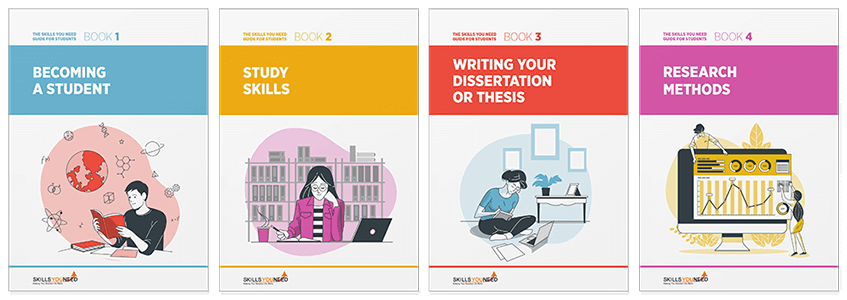
The Skills You Need Guide for Students

Develop the skills you need to make the most of your time as a student.
Our eBooks are ideal for students at all stages of education, school, college and university. They are full of easy-to-follow practical information that will help you to learn more effectively and get better grades.
Conclusion
Overcoming the challenges faced as an international student in the United States requires profound resilience, adaptability, and an open mind. It is important to remember that these obstacles are not just hurdles to be survived, but are actually invaluable opportunities for personal growth and character development.
By actively seeking out campus support networks, fully engaging with your academic and social community, and embracing new experiences with courage, you can not only navigate these challenges but truly thrive. Your journey as an international student will equip you with a unique, highly sought-after set of skills and a global perspective that will deeply benefit your professional and personal life for decades to come.
About the Author
Dr. John Sterling is an Educational Psychologist and Student Success Consultant dedicated to helping international students navigate the complexities of higher education. With over a decade of experience advising students at major U.S. universities, John specializes in cross-cultural adaptation, academic resilience, and motivational psychology. He firmly believes in the power of a growth mindset to turn cultural challenges into lifelong advantages.