

7 Ways to Organize Your Business
to Increase Efficiency
What Sort of Leader are You?
As a modern business owner, you know that time is your most valuable currency. The more efficiently you operate, the more profitable your work becomes, freeing up hours to explore new revenue streams or simply step away from the desk.
When you run a small business, you often have to wear every hat while simultaneously trying to balance your personal life. Time is not just money; time is sanity. The more streamlined your processes become, the less overwhelmed you will feel, allowing you to achieve a much healthier work/life balance.
Workplace efficiency is an ongoing pursuit that can easily get buried beneath looming deadlines, complex logistics, and endless administrative tasks. However, it is a discipline we must continuously improve if we want to grow, succeed, and stay at least one step ahead of our competition in an increasingly digital and fast-paced world.
Every time you optimize a workflow or cut a few unnecessary steps out of a daily task, your business gains momentum. With that in mind, here are seven actionable ways to organize your business for maximum efficiency, both now and in the future.
7 Ways to Organize Your Business for Maximum Efficiency
Focus on What You Do Best and Outsource the Rest
You are only one person. There is a physical limit to what you can accomplish, especially when juggling multiple roles. Stop trying to do everything yourself. Instead, focus entirely on your core strengths and outsource the rest.
In today's digital economy, it is easier than ever to build a strong, flexible team of freelancers, virtual assistants, or fractional experts you can trust. By delegating tasks outside your wheelhouse—such as graphic design, IT support, or advanced bookkeeping—you instantly improve your output quality. Finding the right people and establishing clear operating procedures requires an initial time investment, but doing so will dramatically improve your bottom line and help your business scale efficiently.
Automate and Systematize Your Workflows
Automation is one of the most powerful efficiency drivers available to modern entrepreneurs. By developing standardized templates for your most frequently used documents, quotes, and emails, you eliminate the need to reinvent the wheel every single day.
Take this a step further by embracing modern automation tools to connect your apps, and utilize AI assistants to help draft communications and summarize data. Schedule your social media updates and blog posts weeks in advance using content management platforms. Systematizing these repetitive processes should be your first step before hiring outside help. By building flow charts, checklists, and step-by-step guides, any future employee will be able to complete their assigned tasks with minimal direction from you.
Leverage Cloud and Mobile Technology
Running a business efficiently on the go is entirely possible thanks to cloud computing and powerful mobile infrastructure. Whether your team is in a central office or distributed globally, technology bridges the gap.
Move your operations to cloud-based project management platforms to track task progress in real time. Equip your field employees with smartphones and tablets loaded with the necessary apps to stay connected and informed without needing to return to a physical office. Simply researching the top-rated software in your specific industry—or asking peers what tech stack they rely on—can uncover tools that save hundreds of hours a year.
Know Your Finances in Real-Time
By knowing exactly where you stand financially at any given moment, you can make faster, smarter, and more efficient business decisions.
Gone are the days of waiting until the end of the month to reconcile a paper ledger. Use cloud accounting software to automate expense tracking, invoicing, and payroll. Key areas you must stay on top of include your profit and loss margins, working capital, and your break-even point. Reviewing these dashboards regularly ensures you operate within your means and alerts you to the perfect time to scale your operations safely.
Target Your Marketing Strategically
Make your marketing significantly more efficient—and stretch your budget much further—by focusing exclusively on the demographics most likely to buy your products or services.
By clearly identifying your ideal target market, you can craft highly personalized, data-driven messages that resonate. Instead of a generic approach, use analytics to determine exactly where, when, and how your audience prefers to be reached. This strategic approach saves time, money, and effort, while simultaneously driving higher sales conversions through relevance.
Encourage Open, Asynchronous Communication
It is important to think beyond simply having an "open door policy." You must actively foster an environment where employees feel comfortable sharing their ideas, both with you and with one another.
By encouraging transparent collaboration between employees, departments, and management, you will organically increase morale and creativity. In a modern business environment, this also means establishing clear rules for asynchronous communication so team members can collaborate efficiently without interrupting each other's deep-work focus.
Embrace and Implement Continuous Feedback
Your employees and your customers are your best source of information regarding how efficiently your business is actually running. They will have invaluable feedback, including both compliments and constructive criticisms.
These are insights you need to hear. Consider creating an anonymous digital suggestion box, hosting short bi-weekly pulse meetings, or sending out regular surveys so everyone can share their ideas safely. Embracing feedback not only highlights operational bottlenecks you may have missed, but it also improves team morale by showing your staff that their voices genuinely matter.
Further Reading from Skills You Need
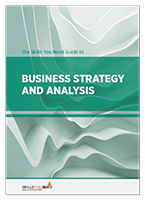
The Skills You Need Guide to Business Strategy and Analysis
Based on our popular management and analysis content the Skills You Need Guide to Business Strategy and Analysis is a straightforward and practical guide to business analysis.
This eBook is designed to give you the skills to help you understand your business, your market and your competitors.
It will help you understand why business analysis is important for strategy—and then enable you to use analytical tools effectively to position your business.
About the Author
Peter Davidson is a Senior Business Associate and operations consultant who strives to help modern brands and startups make effective business decisions. With over a decade of rich domain expertise, he loves sharing actionable strategies on digital transformation, productivity, and organizational efficiency through well-researched content.