


Improving Efficiency in
Human Resource Departments
See also: Organising Skills
For decades, Human Resources (HR) departments were viewed primarily as administrative hubs—the gatekeepers of paperwork, payroll, and policy enforcement. However, the modern business landscape has fundamentally shifted this dynamic. Today, HR is expected to be a strategic partner, driving organizational culture, talent retention, and overall business growth.
Despite this elevated mandate, many HR professionals still find themselves bogged down by manual processes and legacy systems. When HR teams are consumed by administrative burdens, they lack the bandwidth to focus on the human element of their role: developing people and fostering a thriving workplace environment.
Improving efficiency in HR is no longer just about buying software; it is about redesigning workflows to leverage technology, data, and self-service models. By streamlining operations, businesses can reduce costs, minimize compliance risks, and empower their HR leaders to focus on high-value initiatives. Here is how modern organizations are revolutionizing HR efficiency.
Streamlining the Recruitment Lifecycle
Recruiting new talent is historically one of the most time-consuming and expensive processes a business undertakes. Traditional methods involving email threads, spreadsheet trackers, and physical resumes create bottlenecks that slow down hiring and frustrate candidates.
Modern efficiency begins with the implementation of robust Applicant Tracking Systems (ATS). These platforms automate the initial stages of recruitment, such as posting vacancies across multiple job boards simultaneously and filtering resumes based on key criteria. By automating the screening process, HR staff can bypass the hours spent reviewing unqualified applications and focus immediately on the most promising candidates.
Furthermore, efficiency in recruitment extends to the interview phase. Automated scheduling tools allow candidates to book their own interview slots based on the interviewer's real-time availability, eliminating the back-and-forth email tag that often delays the process. A smoother, faster recruitment process not only saves HR time but also significantly improves the candidate experience, boosting the employer brand.
See also: Selection and Recruiting Skills
Automating Onboarding and Compliance
Once a candidate is hired, the onboarding process begins. In the past, this meant a first day filled with stacks of paperwork, manual data entry, and repetitive orientation sessions. This approach is not only inefficient but also prone to compliance errors.
Digital onboarding solutions have transformed this critical phase of remote onboarding. New hires can now complete necessary documentation—such as tax forms, contracts, and banking details—via secure portals before their first day. Electronic signature technology removes the need for printing and scanning, creating a seamless audit trail.
By automating the administrative side of onboarding, HR professionals can dedicate the employee's first week to cultural integration and team introductions. This shift ensures that new hires feel welcomed and prepared rather than overwhelmed by bureaucracy, which correlates directly with higher long-term retention rates.
Enhancing Employee Development and Performance
Traditional performance management—often characterized by the dreaded annual appraisal—is notoriously inefficient. It requires massive preparation time for a retrospective conversation that often fails to drive future performance. To improve efficiency, forward-thinking departments are moving toward continuous performance management.
Using Learning Management Systems (LMS) and performance software, HR can automate the scheduling of regular check-ins and track progress against goals in real-time. Software can alert HR staff and managers when employee appraisals or development reviews are due, ensuring these critical touchpoints are never missed.
Beyond scheduling, these tools centralize professional development. Instead of manually organizing training seminars, HR can curate personalized digital learning paths for employees. This allows staff to upskill at their own pace while providing HR with data on skills gaps within the organization. When development is continuous and data-driven, employees feel more valued and engaged, leading to higher productivity across the board.
Leveraging Data for Strategic Decisions
One of the greatest inefficiencies in traditional HR is the inability to easily access and interpret data. When information is siloed in spreadsheets or filing cabinets, answering simple questions about turnover rates or headcount costs can take days.
Modern efficiency relies on "People Analytics." Advanced HR platforms can produce automated reports that indicate how far the business is working toward current targets. This type of software can provide detailed insights and workforce analytics, such as analyzing absence trends, predicting retention risks, or tracking diversity metrics.
When planning for future growth, having instant access to this data allows HR leaders to present evidence-based recommendations to the C-suite. Instead of reacting to problems after they occur, data-empowered HR departments can be proactive, identifying issues like burnout or skills shortages before they impact the bottom line.
Reducing the Risk of Human Error
Manual data entry is the enemy of efficiency. Regardless of how diligent an HR administrator is, typing the same employee data into payroll, benefits, and record-keeping systems increases the probability of mistakes. A simple keystroke error in a payroll run can cause significant employee distress and require hours of work to rectify.
Integrated HR systems utilize a "Single Source of Truth" model. When data is entered once—ideally during the recruiting or onboarding phase—it automatically populates across all other integrated systems. This eliminates duplicate data entry and ensures consistency.
Furthermore, automated systems help maintain legal compliance. With employment laws and data privacy regulations (such as GDPR) constantly evolving, relying on manual checklists is risky. Automated systems can flag compliance issues, track certification expiries, and ensure that sensitive data is stored securely, protecting the company from costly fines and reputational damage.
Empowering Employees via Self-Service
Perhaps the most significant efficiency gain in modern HR comes from the adoption of Employee Self-Service (ESS) portals. In the past, simple tasks—such as updating a home address, checking a vacation allowance, or downloading a payslip—required an email chain or a visit to the HR office.
ESS portals shift the ownership of this data to the employee. Staff can log in to a secure app to:
Request time off and view team calendars.
Enroll in benefits or change insurance details.
Update personal banking or emergency contact information.
Access policy documents and handbooks.
This decentralization saves hundreds of administrative hours annually. It also empowers employees, giving them immediate access to their information without having to wait for a response from a busy HR representative. Even though HR staff may still need to approve certain requests, the reduction in low-level administrative noise allows them to focus on complex employee relations issues.
Optimizing for Hybrid Work
The rise of a remote work environment has introduced new complexity to HR management. Improving efficiency in this context means adopting tools that bridge the physical gap between teams. Cloud-based HR systems ensure that processes run smoothly regardless of where the HR team or the employees are located.
Efficiency in a hybrid world also means rethinking communication. Instead of relying solely on synchronous meetings, efficient HR departments utilize asynchronous communication tools and project management platforms to keep workflows moving. This ensures that an employee in a different time zone can access the support and resources they need without delay.
Further Reading from Skills You Need
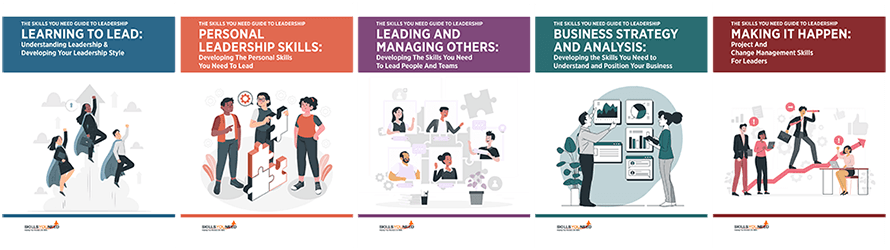
The Skills You Need Guide to Leadership eBooks
Learn more about the skills you need to be an effective leader.
Our eBooks are ideal for new and experienced leaders and are full of easy-to-follow practical information to help you to develop your leadership skills.
Conclusion
Improving efficiency in Human Resource departments is a continuous journey of optimization. It requires moving away from the "paper-pushing" legacy of the past and embracing a future where technology handles the transactional, allowing humans to handle the transformational.
By implementing strategic automation in recruitment, onboarding, and performance management, and by empowering employees through self-service options, businesses can unlock significant value. The introduction of these technologies does not make the HR role redundant; rather, it elevates it. Freed from the shackles of administrative drudgery, HR professionals can finally focus on their true purpose: building a culture where people—and the business—can thrive.
About the Author
Lindsay Edwards enjoys writing about human resource management, entrepreneurship, economics and finance. She is an aspiring traveller who enjoys visiting different countries to experience their food and culture.