


The Modern Challenges Faced by
HR Departments and How to Overcome Them
See also: Problem Solving
In the modern business landscape, Human Resource (HR) departments face more complex challenges than ever before. Dynamic economic conditions and evolving employee expectations mean there is a constant need to manage recruitment, employee turnover, and internal company culture effectively.
HR managers must juggle the balance between maintaining a steady workflow and responding to a wide range of internal problems. Strong organisational and workload management skills are vital in any business, but they are especially crucial in an HR-focused environment. Fortunately, most problems can be overcome with careful planning and dedicated effort.
Let’s look at some of the key challenges HR departments face today and explore some of the possible solutions.
Challenge 1: Talent Acquisition and Recruitment
A significant part of any HR professional’s role is the hiring of new employees. They are typically responsible for managing incoming job applications and funnelling them to the right department. The way HR departments undertake recruitment has changed dramatically over the years. Previously, recruitment might have been conducted at job fairs. Now, it is mainly a digital process, with postings on social media and professional networking sites, all managed through recruitment software.
HR professionals not only have to circulate these job alerts but also craft compelling content, including detailed job descriptions, salary ranges, benefits, and responsibilities. They must be able to sell the role and the company effectively, which is not an easy task in a competitive job market. To attract the best talent, job listings must highlight attractive benefits, such as a good work-life balance, robust training opportunities, and workplace flexibility.
When a position is highly specialised, it can be even harder to find the right individual. This requires HR to collaborate closely with other departments to understand the specific needs of the role and to target their search effectively.
Challenge 2: Employee Retention and Engagement
Another key responsibility for HR is to work towards keeping the right talent once they have been hired. After all the hard work that goes into the hiring process, the last thing any organisation wants is for a valuable employee to leave after a short time.
There are a number of strategies to keep job retention high. One of the most effective is providing clear paths for career progression. Allowing employees to take on new training within the organisation, with the potential for promotion, gives them a reason to invest in their future with the company. Regular pay and performance reviews and performance-based bonuses also provide a powerful incentive for employees to stay and contribute to the company's success.
Furthermore, giving employees more creative freedom and responsibility for their projects helps them feel more valued and involved in day-to-day operations. When employees feel trusted, their sense of ownership and engagement increases. Creating motivational objectives and offering lifestyle benefits are also great ways to help retain your best people.
Challenge 3: Adapting to Technological Advancements
In this modern age, HR must be constantly evolving and re-evaluating its practices. The best HR departments refine their strategies to make the best use of their time and improve productivity, often through the adoption of new technology.
For example, traditionally, HR handled payroll manually—a tedious and time-consuming task. Today, sophisticated software systems can automate these calculations, freeing up HR professionals to focus on more strategic initiatives. However, HR departments must still be diligent in choosing, implementing, and fine-tuning the right software for their organisation's needs. As technology evolves, what works today may need to be replaced in a few years.
Artificial intelligence is also set to play a larger role in business, offering a competitive advantage in areas like candidate screening and data analysis. The challenge for HR will be to balance the efficiency of technology with the essential human element of their role, ensuring that automation supports, rather than replaces, human skill and empathy.
Challenge 4: Managing Redundancies and Outplacement
Sometimes, through no fault of their own, employees must be let go. This can be due to company downsizing, economic downturns, or a strategic change in direction. Delivering this news is one of the most difficult parts of an HR professional's job. It can place individuals in a precarious financial situation and, if handled poorly, can damage the company's reputation.
Using an outplacement service is a proactive and ethical alternative to simply making staff redundant. These services assist former employees in finding a new job as quickly as possible, offering career coaching, CV workshops, and interview preparation. The support such services offer can help your organisation reduce costs associated with redundancies, protect its brand image, and maintain morale among the remaining workers.
Challenge 5: Navigating New Work Models and the Gig Economy
The world of work is continuously changing. It seems that employment in the future will be geared more towards short-term contracts and flexible arrangements. This is often known as the gig economy, where more people work on a freelance or project basis rather than in permanent employment.
The rise of this style of employment brings new challenges for HR, as it requires new forms of advertising, contracts, and legal considerations. Modern businesses that rely on a freelance workforce, such as those in the delivery or creative sectors, find it harder to keep workers engaged and aligned with company culture. These types of workers require modern HR strategies, as traditional approaches may not be effective. Planning for the future will be key, both in terms of meeting fluctuating employment demands and staying compliant with changing wage and labour laws.
Conclusion
The role of an HR department is more complex and more critical than ever before. From navigating the intricacies of digital recruitment and employee retention to adapting to new technologies and flexible work models through effective change management, the challenges are constant and varied.
However, by staying informed, embracing innovative strategies, and prioritising the human element of their work, HR professionals can overcome these obstacles. A proactive and strategic HR department is not just a support function; it is a vital driver of a company's success, building a resilient, motivated, and thriving workforce prepared for the future.
Further Reading from Skills You Need
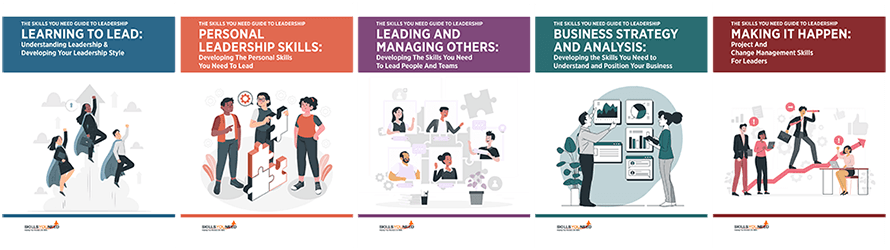
The Skills You Need Guide to Leadership eBooks
Learn more about the skills you need to be an effective leader.
Our eBooks are ideal for new and experienced leaders and are full of easy-to-follow practical information to help you to develop your leadership skills.
About the Author
Zoe has written and researched articles for a wide variety of career websites, blogs and magazines, has a strong understanding of current business trends and a passion for entrepreneurism.