


Essential Skills and Tools Needed
for Gutter Cleaning
See also: Saving Money on Household Bills
Gutter cleaning is one of the most essential yet frequently neglected aspects of residential home maintenance. The primary function of your gutter system is to channel rainwater safely away from your roof and direct it away from the structural foundation of your property.
When this system is not properly maintained, the resulting blockages can cause severe, long-lasting damage. Accumulated water, heavy sediment, and decomposing organic matter create the perfect environment for structural rot, potentially compromising the physical integrity of your entire house.
While hiring a professional maintenance crew provides peace of mind, tackling the job yourself is an entirely achievable DIY project. Doing so successfully simply requires an understanding of basic safety protocols, a reasonable level of physical fitness, and the correct specialized tools to ensure the downpipes flow freely.
Why You Should Clean Your Gutters Regularly
Maintaining clear channels is not merely an aesthetic concern; it is a critical preventative measure that protects your most valuable financial asset. Failing to address seasonal debris build-up triggers a cascade of expensive structural failures.
Sitting water in clogged gutters creates a breeding ground for various issues. For instance, stagnant pools may invite mosquitoes and other insects to multiply rapidly near your roofline. Furthermore, accumulated organic matter like rotting leaves frequently attracts birds or rodents seeking nesting materials. If left unchecked, these blockages force water to overflow, damaging the exterior and seeping under your roof shingles. This inevitably leads to severe water ingress inside your home, which can then result in pest infestations and damaged electrical appliances inside your walls and attic spaces. Addressing these issues early prevents minor external problems from becoming major internal disasters.
Beyond pest control and internal leaks, overflowing gutters consistently damage external landscaping. Heavy waterfalls cascading over the sides of blocked channels will erode garden beds, drown expensive plants, and gradually wash away the soil supporting your concrete foundation. Additionally, the sheer weight of wet debris and standing water will cause metal and vinyl channels to warp, sag, and eventually detach entirely from the fascia boards.
The Financial Impact of Poor Gutter Maintenance
Proactive maintenance is fundamentally an exercise in protecting your household budget. If you continuously neglect your gutters until they suffer catastrophic physical damage, you will be forced to replace the entire system, which will cost you a lot of money.
Replacing a full gutter system is a massive financial undertaking. Installation costs fluctuate heavily based on your material choices—standard vinyl is affordable, but seamless aluminum or architectural copper requires specialized manufacturing and installation. By actively clearing your channels twice a year, you drastically extend the lifespan of the existing materials, allowing you to allocate those funds toward other vital household investments.
Essential Physical and Practical Skills
Executing this maintenance task safely requires several foundational competencies. First and foremost, a baseline level of physical fitness is mandatory. You must be comfortable repeatedly ascending and descending a ladder, balancing tools, and performing repetitive manual labor above your shoulders. If you experience vertigo, lack core balance, or suffer from joint pain, it is highly recommended to outsource the task to insured professionals.
Furthermore, you need a sharp eye for detail. The cleaning process is not just about removing mud; it is an active inspection. You must possess the practical awareness to identify early signs of corrosion, loose mounting brackets, failing sealants, and compromised roof shingles while you are elevated.
Safety Protocols and Risk Management
Working at height introduces significant physical hazards, making adherence to strict safety guidelines absolutely critical. You do not need formal certifications to clean your own property, but understanding and applying professional-grade risk management principles will prevent serious injury.
Always utilize a sturdy, heavy-duty extension ladder equipped with a stabilizer arm. The stabilizer (also known as a stand-off) prevents the ladder from crushing the gutter channels and provides a dramatically wider, safer base against the wall. Never overreach while working; your belt buckle should remain strictly between the two vertical rails of the ladder at all times. If a section of debris is out of reach, climb down and reposition the ladder manually.
Crucial Soft Skills for Home Maintenance
While the act of scooping leaves is manual, planning and executing the task relies heavily on your personal organizational abilities. Effective time management skills dictate that you schedule this chore strategically—typically once in late autumn after the trees are bare, and once in early spring to clear winter debris.
Additionally, team-working skills are highly beneficial. Gutter cleaning should ideally be a two-person operation. Having a reliable partner to foot the ladder, pass up specialized tools, and monitor your surroundings creates a significantly safer operational environment. Finally, if you live in a high-density neighborhood, basic communication skills are useful for giving your neighbors advance notice regarding potential noise or stray debris crossing property lines.
Required Tools and Equipment
Attempting this job without the correct gear will result in a poor clean and increase your risk of injury. Ensure you have the following inventory prepared before you begin:
Heavy-Duty Extension Ladder: Ensure it is tall enough to reach your roofline safely without stepping on the top three rungs.
Ladder Stabilizer: A critical safety attachment that prevents damage to your aluminum channels and increases lateral stability.
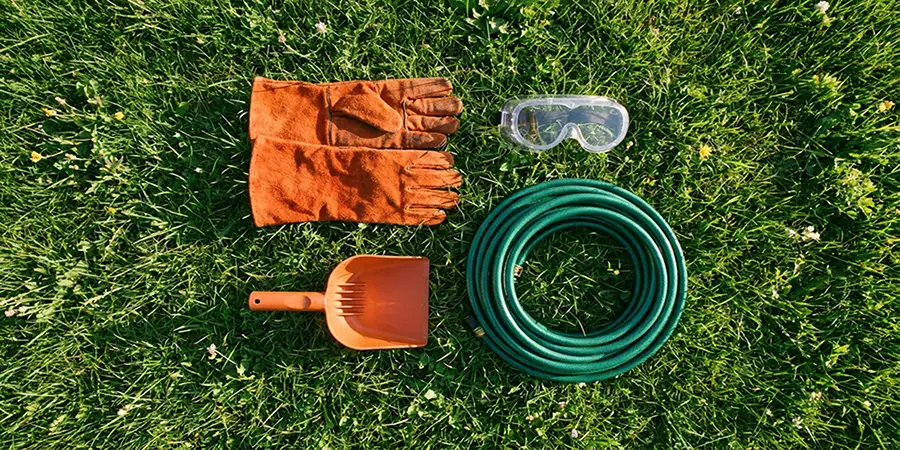
Thick Work Gloves & Goggles: Essential protection against sharp metal edges, decaying organic matter, and airborne bacteria.
Plastic Gutter Scoop: A specialized, narrow trowel designed to scrape the bottom of the channel without scratching the protective coating.
Garden Hose with Spray Nozzle: Used to flush out remaining fine sediment and verify that the downspouts are flowing clearly.
Two Work Buckets: Use one bucket to securely hold your tools and a second, larger bucket to collect the decaying debris, preventing a mess on the lawn below.
Essential Materials for Gutter Repairs
While cleaning, you will frequently discover minor structural issues that require immediate patching. Having the right repair materials on hand simplifies the process:
Waterproof Gutter Sealant: Used to patch minor leaks, reseal end caps, and reinforce failing corner joints.
Replacement Hardware: Keep spare aluminum screws and bracket hangers available to re-secure any sections that have pulled away from the fascia board.
Plumber's Snake: A flexible auger necessary for breaking up stubborn, compacted blockages deep inside the vertical downspout pipes.
Further Reading from Skills You Need

The Skills You Need Guide to Life
This two-part guide is an easy-to-read summary of the essential skills you need for a healthy mind and body.
The first eBook, Looking After Yourself, covers some of our most popular content and will help you to live a happier, healthier and more productive life.
The second eBook, Living Well, Living Ethically, considers how you can live your best life all the time. It helps you to answer the question: how can I avoid having too many regrets about my life?
Conclusion
Maintaining your home's gutter system is a fundamental responsibility that yields tremendous long-term financial benefits. While the task requires physical exertion and strict adherence to safety guidelines, mastering the ability to inspect, clear, and repair your roofline drainage empowers you to protect your home independently.
By investing in the proper tools, scheduling consistent bi-annual maintenance, and remaining vigilant for early signs of blockage, you ensure that your property remains structurally sound, secure against severe pest infestations, and safe from catastrophic water damage for decades to come.
About the Author
Mark Evans is a property management consultant and residential maintenance expert with over 15 years of experience in structural preservation and real estate assessments. When he is not consulting with homeowners on preventative maintenance strategies, Mark enjoys restoring vintage woodworking tools and volunteering at his local community garden.