


How to Be a Great Project Manager
See also: Action PlanningProject management involves applying processes, skills, methods, knowledge, and experience to achieve specific project goals. Since projects have a finite timespan, project managers require a wide range of excellent business awareness, along with management and technical skills. They play a key role in the planning, executing, monitoring, controlling, and closing of projects.
Project managers are accountable for the entire project scope, team and resources, budget, and the success or failure of the project. They meet with company leadership to define an upcoming project's scope, pitch their budget needs to the finance department, outline the project charter, and develop a risk assessment report. Additionally, project managers manage and reassign tasks, so no one is overburdened by work, and update the calendar to reflect timeline shifts.
Here’s how to be a great project manager.
-
Learn Resource Allocation
Resource allocation, also known as resource scheduling, involves assigning and managing assets—such as team members, equipment, and budget—to support a company's strategic goals. It is a foundational skill that allows you to effectively plan and prepare for project implementation. Beyond just scheduling, good allocation gives you clear insights into your team's workload and progress. Effective project resource allocation can significantly lower project costs, maximize productivity, enhance employee engagement, and help you achieve the best possible outcome within your existing constraints.
Modern resource capacity planning software gives project managers a clear view of the road ahead, helping them to identify potential capacity issues ahead of time. These tools can aid in data-driven decision-making, provide insightful reports, and lower team burnout through more effective workload planning. They can also help track vacations and sick time to provide a clear picture of individual availability when creating project timelines.
-
Avoid Micromanagement
When a project is assigned, it can be tempting for a project manager to become overly observant and controlling. This tendency toward micromanagement can stem from tight deadlines, underestimation of resources, or a desire to prove one's authority. In practice, it involves constantly monitoring, controlling, or reminding employees of their duties, which deprives them of their autonomy and freedom in the workplace.
Micromanagement is destructive. It erodes employee trust and morale, increases staff turnover, invites burnout, discourages creativity, and ultimately hinders productivity by creating a team of dependent employees. To be a great manager, you must learn to trust your team. Set clear metrics that define a project’s success, delegate the work that needs to be done, and then step back. Focus on outcomes, not processes. As long as the work meets the required standard and deadline, allow your team the flexibility to choose *how* they complete it. Introduce an open-door policy so the team can seek guidance when needed, but resist the urge to constantly check in.
-
Create Time Management Strategies
Time management is a vital component of project management that helps you break down large projects, assign tasks logically, and complete the project on time. The core processes involved in project time management include creating a detailed project plan, defining all project activities and their dependencies, sequencing those activities in a logical order, and accurately estimating the duration and resources required for each task.
Implementing effective time management practices for yourself and your team is crucial. This may include creating prioritized task lists, avoiding distractions, delegating effectively, and identifying potential bottlenecks in your workflow before they cause delays. It can also be useful to adopt a personal productivity technique, such as the Pomodoro Technique—working in focused 25-minute intervals separated by short breaks—to maintain concentration on complex tasks. Don’t forget to leverage modern time management tools for easier project and time tracking.
-
Be a Good Communicator
Active and engaging communication can inspire team members, enhance morale, build confidence, and produce better project performance. Without strong communication skills, you will find it incredibly difficult to manage your team effectively and harmonize efforts for a project’s success. Some of the specific communication skills a great project manager needs are active listening, clear non-verbal communication, open-mindedness, friendliness, and the ability to build trust and respect, give effective feedback, and foster collaboration.
A great project manager formalises this by creating a detailed communication plan at the start of a project. This plan should outline the project's communication needs, including who needs what information, when and how often they need it, and the methods that will be used. This ensures effective and consistent communication with all stakeholders, from team members and clients to senior executives.
-
Leverage Risk Management Skills
Effective risk management skills allow you to determine your project’s strengths, weaknesses, opportunities, and threats. For any project to succeed, you must anticipate potential risks so you can identify, mitigate, or avoid issues as they arise. This proactive approach is far more effective than simply reacting to problems.
A practical way to do this is to create a Risk Register. This is a simple document that lists all potential risks to the project, their likelihood of occurring (High, Medium, or Low), their potential impact if they do occur, and a pre-planned mitigation strategy. Things that may disrupt a project include changes in financial markets, budget cuts, key team members leaving, technical failures, and legal liabilities. By identifying and prioritising these risks upfront, you can develop strategies to handle them, such as avoiding the risk, transferring it, or having a plan to reduce its negative effects.
-
Understand and Utilize Your Team Members
Effective, agile project managers have great leadership skills. A great project manager understands that their primary role is to bring out the best performance from their team members throughout the project’s lifecycle. This requires taking the time to understand each team member's individual strengths, weaknesses, and working styles. By doing so, you can assign tasks that play to their strengths, which not only ensures a higher quality of work but also increases job satisfaction and engagement.
This skill is about more than just assigning tasks. It involves understanding the team's overall dynamic. Some team members may be creative, big-picture thinkers who excel at brainstorming, while others may be meticulous and detail-oriented, making them perfect for quality assurance. A great project manager knows how to leverage this diversity of talent, creating a balanced and high-performing team.
-
Hone Your Skills with Additional Training
Through formal training and certifications, you can acquire the technical skills and methodological frameworks that help you balance your set of soft skills. Whether you are at a junior or senior level, additional training can boost your skills for effective project management, regardless of your experience. The field of project management continues to evolve, and regular training courses will help you refresh your knowledge and acquire new skills that align with the latest technological advancements and trends.
Certifications from globally-recognised bodies like the Project Management Institute (PMI) can validate your expertise and open up new career opportunities. Furthermore, formal training is an excellent way to learn about different project management methodologies, such as Agile, Scrum, and Waterfall, giving you a wider range of frameworks to apply to different types of projects.
-
Learn from Successful Project Managers
To be effective in your role, avoid relying on a single skill set or approach. Make a conscious effort to learn the different techniques that more experienced project managers employ to boost their success. One of the best ways to do this is to find a mentor, either within your own organisation or in your wider professional network. A good mentor can provide invaluable advice, act as a sounding board for your ideas, and help you navigate complex career challenges.
You can also join project manager networks, both online and in person, to learn how other managers handle their teams, budgets, and projects. Engaging with industry blogs and podcasts is another excellent way to stay current and learn from the successes and failures of others. This will help you determine what you aren't doing right in order to improve, and to reinforce what you've been doing right.
-
Take Advantage of Project Management Tools
Modern project management tools are essential for helping teams and individuals to organize and manage their tasks effectively. These platforms are far more than simple to-do lists; they provide a central hub for planning, collaboration, and reporting.
These tools offer numerous benefits, including:
Centralised Task Management: They provide a single source of truth for who is doing what and when it is due.
Improved Team Collaboration: They allow team members to communicate and share files within the context of a specific task.
Real-Time Reporting: They offer dashboards and reports that provide an instant overview of a project's progress and budget.
Enhanced Resource Management: They help you to see who is overworked and who has spare capacity, allowing for more balanced workloads.
Familiarity with popular project management tools like Asana, Trello, Jira, or Monday.com is a valuable skill in itself and can significantly improve your efficiency and effectiveness as a manager.
Further Reading from Skills You Need
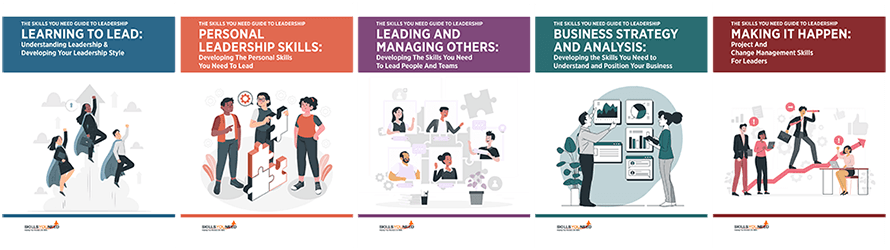
The Skills You Need Guide to Leadership eBooks
Learn more about the skills you need to be an effective leader.
Our eBooks are ideal for new and experienced leaders and are full of easy-to-follow practical information to help you to develop your leadership skills.
Conclusion
A great project manager is a multi-skilled professional who is constantly improving their qualities and abilities to ensure consistent project success. They are a blend of a skilled organiser, a strong leader, and a clear communicator. They find ways to make their projects less complicated, create streamlined processes, and motivate their project team towards achieving objectives. By setting and sticking to realistic goals, and by continuously developing the skills outlined above, you can become a truly great project manager.
About the Author
Harry Wilson is the Head of Digital Marketing Department at Globex Outreach. He helps clients grow their online businesses and occasionally writes blogs to share his experience with other professionals.