

9 Financial Well-Being Strategies
for Small Businesses
See also: Money Management and Financial Skills
A company’s financial health is more than just making sales. To build a stable firm, you need to do much more. For example, it’s important that you have the skills needed to understand your company’s numbers and how to minimize overhead costs. Having these skills and understanding these and other crucial strategies will help you avoid making financial mistakes.
This article will outline nine financial strategies to help your small business to succeed and guarantee your financial well-being.

-
Stay on top of invoicing clients
Remember to send out invoices promptly. The sooner clients receive an invoice, the sooner the money will arrive in your bank account. One way to avoid late payments is to have people pay ahead. Alternatively, you could leverage automated billing technologies. Scheduling a set time to send out invoices can be a great way to avoid procrastinating on the task. Investing in modern online invoicing applications or using a reliable contractor invoice template from Zintego will help your business to automate invoices and payments most effectively. Moreover, setting payment reminders will help you get payments on time, thereby increasing overall cash flow.
-
Understand your business figures
Claiming you’re “not a numbers person” is not a good excuse. The number one way to keep your business alive is to live by all the numbers and figures that make it work. Teach yourself to read spreadsheets and balance sheets, build financial models, and forecast your sales. Track costs and expenses to understand exactly where you’re spending money.
Make sure to connect the dots too. Track whether or not sales are improving as a result of your company’s marketing efforts. Knowing your numbers will also help if you ever decide to sell your business or take on an investor.
Remember, knowing your numbers isn’t just about how much product you sell—it’s a holistic approach to understanding all aspects of your business.
-
Meet your financial obligations
In addition to collecting money, you’ll also be paying money out. If your business is large enough to have employees, make sure you’re paying them on time. Many small business owners report that it is getting harder to find and retain qualified people. If you fail to pay your employees on time, not only will they probably look for work elsewhere, but you can also face severe legal consequences. In the US, failing to make payroll is considered a violation of the Fair Labor Standards Act (FLSA), and employees could sue you for wages owed.
-
Separate your business and personal money
Sometimes, your personal and business expenses can get muddled as a business owner. This is especially true when you’re first getting started and using personal money to get things off the ground. Many forms of businesses shield the owner from liability because they are treated as separate legal entities.
However, to protect your personal assets from being on the hook, you need to make sure you segregate your business accounts from personal ones. Set up a separate business checking account and use a separate business credit card. Most banks make it easy to become a client and usually bundle checking and credit card services. Make sure that any vehicles used for personal use have their monthly payments and car insurance paid directly from your personal accounts.
Not only does keeping your finances separate prevent liability issues, but it’s also just a fundamental business practice. Avoid putting personal expenses on your business card and vice versa.
-
Track expenses as they accrue
Have you ever heard of accrual accounting? The basic idea is to track expenses and revenues as they accrue or happen. Rather than throwing all your receipts in a drawer and forgetting about them, make sure you record expenses immediately as they happen in your digital ledger. You don’t have to follow all the complex rules of corporate accounting, but understanding how it works and how to use modern accounting software will certainly help.

-
Understand business credit
Did you know that businesses have a credit score just like individuals do? Many people don’t realize the crucial role credit scores play for small businesses. Credit limits tend to be much higher for businesses than individuals, making this line of credit a great way to secure funding for your company. Plus, unlike income, loans and credit are not taxed. Educate yourself about credit scores and how to proactively build a good score for your business.
-
Track fixed expenses and overhead
One key area you can save a lot of money in as a small business is nailing down fixed expenses. Fixed expenses refer to regularly occurring costs that are the same month to month. For example, payroll, rent, server hosting, and software subscriptions are all fixed. Since you can easily predict these expenses, reviewing and minimizing them when possible is a great way to save money and improve margins.
-
Watch your taxes
Keeping a close eye on your tax liabilities is critical. The financial landscape is shifting, and your business might accept digital assets or cryptocurrency as payment. These assets are scrutinized and taxed by revenue services worldwide, so whether you’re storing digital currency in a wallet or selling it, make sure you understand the reporting requirements.
Another thorny area of taxes is making sure you track your business expense deductions. Many small business owners run into trouble when audited by the tax authority or revenue service for their business deductions. In some cases, working with tax experts can help keep those records more consistent before issues build up. Keeping a detailed log of all of these deductions and all of your company’s operations will help ensure that any audit goes smoothly.
-
Monitor cash flows
Over the years, successful business owners continually emphasize one helpful tip: you need to monitor your cash flows. There’s a reason why the Statement of Cash Flows became an essential part of business balance sheets. Cash is king. If you don’t know where your money is, then chances are your business is in trouble. Monitoring exactly where your money is coming from and ensuring it’s arriving on time is the single most important thing you can do as a business owner.
Further Reading from Skills You Need
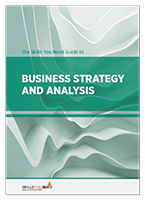
The Skills You Need Guide to Business Strategy and Analysis
Based on our popular management and analysis content the Skills You Need Guide to Business Strategy and Analysis is a straightforward and practical guide to business analysis.
This eBook is designed to give you the skills to help you understand your business, your market and your competitors.
It will help you understand why business analysis is important for strategy—and then enable you to use analytical tools effectively to position your business.
Wrapping up
The backbone of your company’s success is practicing good financial habits and following a strong money management strategy. If you can’t hire a professional, educate yourself about the basics of accounting to understand your business figures, keep your books in order, and keep your company moving in the right direction.
About the Author
Kate Noether is a PR Specialist, SEO expert and all-round tech enthusiast. Apart from that she enjoys biking on weekends and spending time in nature.