

Driving Skills: Soft Skill Enhancement
to Promote a Safer and Intelligent Drive
See also: Self-Awareness
Operating a motor vehicle is frequently treated as a purely mechanical and rule-based endeavor—a simple matter of memorizing traffic laws, understanding the transmission, and mastering spatial awareness. However, the absolute best, most reliable drivers rely heavily on a deeply ingrained set of psychological soft skills that lead directly to safe, highly effective, and prudent driving.
These vital cognitive skills include meticulous preparation, proactive time management, emotional regulation, high-level adaptability, and the strict discipline required to manage modern distractions. When a driver lacks these fundamental competencies, a vehicle rapidly transforms from a mode of transport into a massive public liability.
In this comprehensive guide, we will discuss the profound value of these specific soft skills and explore exactly how deliberately cultivating them can drastically enhance the quality of your driving, your situational awareness, and your overall behavioral safety on the road.
The Importance of Psychological Preparation
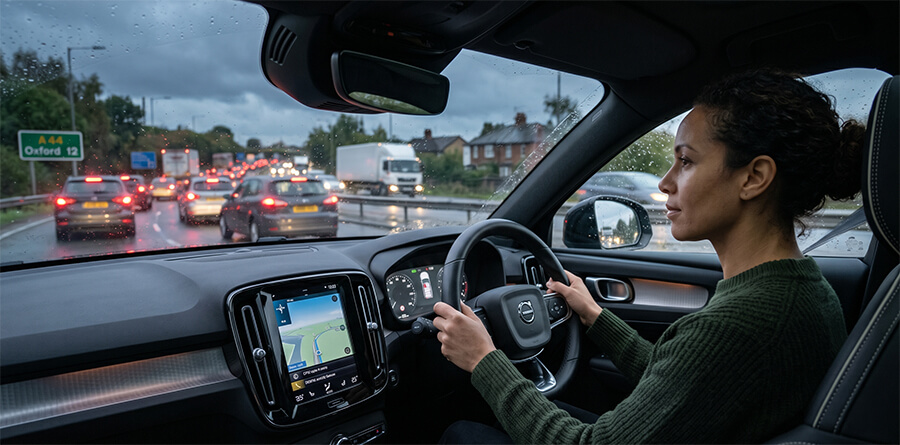
Elite drivers understand that genuine road safety begins long before the engine is actually turned on. While physical preparation—such as checking tire pressure, ensuring the mirrors are aligned, and confirming fuel levels—is absolutely critical, psychological preparation is equally vital. This involves actively visualizing your intended route, anticipating highly congested zones, and mentally preparing yourself for the inevitable frustrations of the daily commute.
A crucial component of this preparation is the "mental check-in." Are you currently furious about an argument at work? Are you exhausted from a sleepless night? Recognizing your own compromised emotional or physical baseline allows you to adjust your driving behavior accordingly—perhaps by leaving earlier, choosing a slower route, or deciding to utilize public transit instead. By deliberately assessing your own readiness, you prevent internal stress from translating into highly aggressive, unpredictable maneuvers on the asphalt.
Time Management and Cognitive Tunneling
Effective time management is an executive function that is tragically forgotten the moment many drivers slip behind the wheel. Chronically hurrying to a destination invariably leads to a dangerous psychological phenomenon known as "cognitive tunneling." When you are late, your brain hyper-focuses exclusively on the destination, systematically blinding you to peripheral hazards like merging pedestrians, changing traffic lights, or erratic drivers in adjacent lanes.
Having the discipline to plan your trips with a generous time buffer helps you drive with massively increased concentration and baseline calmness. Factoring predictable delays—like construction zones or school traffic—into your initial schedule entirely neutralizes the intense, panicked stress of running late.
Furthermore, robust time management must include scheduling adequate recovery breaks during extended road trips. Deliberately planning to stop every two hours helps you avoid fatigue, a silent killer that drastically dulls response times and severely impairs complex judgment skills. Ultimately, managing your time empowers you to travel smoothly, arriving at your destination completely unburdened by unnecessary adrenaline.
Managing Cognitive Load to Avoid Distractions
In the modern era, distractions remain one of the absolute leading causes of catastrophic road crashes. Today's vehicles are essentially rolling supercomputers, constantly demanding our attention with glaring infotainment screens, GPS notifications, and mobile alerts. It requires immense, deliberate mental discipline to avoid distracting factors while operating heavy machinery at high speeds.
Every time you glance away from the windshield to read a text message, you are severely overloading your brain's available cognitive bandwidth. To cultivate a safer drive, you must proactively eliminate these temptations before putting the car in drive. Set your GPS coordinates while parked, curate your music playlist in advance, and place your smartphone entirely out of physical reach.
Being intensely mindful of your cognitive load significantly enhances the quality of your situational awareness. Reserving one hundred percent of your concentration exclusively for the dynamic environment around you ensures you can react instantaneously to sudden hazards, ultimately creating a much safer ecosystem for every single driver on the road.
Patience and Emotional Regulation
Patience is an emotional soft skill that is rapidly lost by the vast majority of daily commuters. Once inside the protective, anonymous bubble of a vehicle, it is incredibly easy to dehumanize other drivers. You will inevitably encounter severe delays, unexpected roadwork, and the glaring mistakes of surrounding motorists. Maintaining strict emotional patience keeps your central nervous system calm and allows you to think highly rationally amidst the chaos.
Rushing, aggressively tailgating, or succumbing to sudden road rage does absolutely nothing to clear a traffic jam; it only astronomically increases the statistical likelihood of a collision. When you proactively choose to remain patient and emotionally regulated, you drastically reduce your own cortisol levels while de-escalating the ambient tension on the road.
Adaptability in Dynamic Environments
No two drives are ever exactly the same. The road is a deeply dynamic environment, and new, overlapping challenges are constantly emerging. From sudden, torrential downpours and blinding sun glare to unexpected detours and erratic wildlife, an experienced, intelligent driver must be able to pivot their strategy instantly.
Psychological adaptability is the exact skill that allows you to seamlessly modify your driving behavior according to the immediate conditions. If the rain starts falling, the adaptable driver instantly increases their following distance and reduces their speed without hesitation or frustration. This fluid adaptability is the hallmark of true defensive driving, ensuring a smoother, infinitely safer ride regardless of the external variables.
Further Reading from Skills You Need

The Skills You Need Guide to Life
This two-part guide is an easy-to-read summary of the essential skills you need for a healthy mind and body.
The first eBook, Looking After Yourself, covers some of our most popular content and will help you to live a happier, healthier and more productive life.
The second eBook, Living Well, Living Ethically, considers how you can live your best life all the time. It helps you to answer the question: how can I avoid having too many regrets about my life?
Conclusion
Driving is not merely about mechanically operating a vehicle—it is a complex, high-stakes psychological exercise that demands the mastery of critical soft skills to ensure absolute safety and responsibility. Diligent time management, the ruthless elimination of modern distractions, thorough mental preparation, deep emotional patience, and fluid adaptability are the definitive traits that separate competent drivers from dangerous ones. By actively practicing and refining these cognitive skills every time you turn the ignition, you do not just improve your own driving record; you actively promote a significantly safer, highly intelligent environment for everyone sharing the road.
About the Author
Roger Hall is a certified Defensive Driving Consultant. With over two decades of experience analyzing the cognitive patterns behind road safety and vehicular accidents, he specializes in translating complex psychological concepts into actionable strategies for everyday commuters. Roger frequently works with municipal transit authorities to design training programs that emphasize emotional regulation, sustained focus, and stress management behind the wheel.