


How to Create Professional
Looking Videos from Scratch
See also: Marketing Skills
With recent industry analysis revealing that over 80% of digital marketers credit video content for directly increasing their web traffic, it is increasingly clear that producing compelling visual media is a strategic necessity for modern businesses.
However, if you lack formal production experience, the prospect of scripting, shooting, and editing a video can feel overwhelmingly complex. Without a clear methodology, it is easy to produce content that feels disjointed or unprofessional.
The key to successful multimedia production lies in structured, deliberate pre-production. By following a systematic framework, you can transform an abstract idea into a highly polished, professional video from scratch.
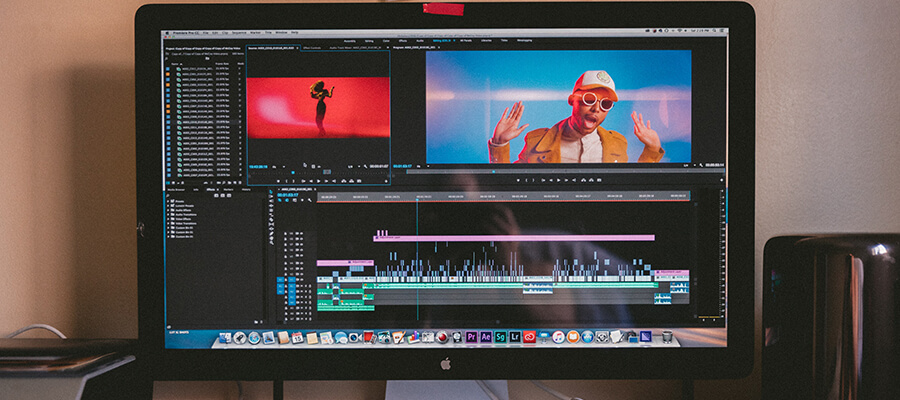
The 5 Steps of Professional Video Production
-
Create a Strategic Production Plan
Rigorous planning is non-negotiable when creating a video. You cannot simply point a camera and hope to capture a cohesive corporate narrative. Attempting to bypass the pre-production phase invariably leads to prolonged editing times and an unfocused final product.
Begin by defining your primary objective. What specific strategic goal is this video intended to achieve? What narrative do you wish to construct? Understanding your core message dictates the tone, pacing, and visual style of the entire project.
Once the objective is established, develop a comprehensive script and a visual storyboard. This document should outline the spoken dialogue alongside descriptions of the corresponding visual shots. Distribute this production plan to all involved stakeholders to ensure total strategic alignment before any filming begins.
-
Showcase Your Brand's Authentic Personality
A professional business video must serve as an accurate reflection of your brand identity. In an increasingly saturated digital market, a unique corporate personality is often the primary differentiator between competing products or services.
Consumers consistently gravitate toward brands that demonstrate authenticity and approachability. Video is an exceptionally powerful medium for translating abstract corporate values into relatable, human-centric narratives.
To achieve this, carefully consider the casting of your video. If your co-founder possesses a natural, charismatic on-camera presence, they should serve as the spokesperson, regardless of their internal corporate title. Producing high-quality content requires prioritizing the final output over individual egos.
Presenting naturally on camera requires significant practice. Allow your subjects to perform multiple takes. During the post-production phase, these segments can be seamlessly spliced together to remove hesitation and optimize the pacing. Furthermore, utilizing modern software solutions that empower teams to create videos with AI in seconds allows even small marketing departments to generate highly polished content without requiring an external agency. To humanize at scale, personalized video platforms can transform one template into customized video experiences that greet viewers by name, reflect their context, and adapt calls-to-action—driving higher engagement across channels.

-
Explain Your Value Proposition with Absolute Clarity
Audiences prefer video content because it typically distills complex information into an easily digestible format. However, you must actively engineer your content to ensure absolute clarity.
A common pitfall is the "curse of knowledge"—assuming that your audience already understands industry jargon or the baseline mechanics of your product. You must construct your narrative under the assumption that the viewer possesses zero prior knowledge of your service.
The execution of this explanation depends heavily on your product type. Software demonstrations require crisp, high-resolution screen recordings combined with concise voiceovers, while physical products benefit from varied lighting and macro videography. If you lack the equipment or time for these complex setups, an AI video maker can be leveraged to automatically generate clear, high-quality visual demonstrations. The objective is to educate the viewer comprehensively without becoming patronizing. Testing your video on a focus group prior to publication is highly recommended to gauge clarity.
-
Deliver Informational and Entertaining Value
While global video consumption is at an all-time high, digital attention spans are exceptionally short. Time is valuable, and if your video fails to engage the viewer within the first ten seconds, they will inevitably scroll past it.
To maximize retention, your content must simultaneously educate and entertain. You must critically evaluate your script and ask: Does this solve a specific problem for the viewer? Does it tell a compelling story?
If you cannot definitively answer "yes" to both questions, your concept requires revision. For example, if your software increases processing speed, do not merely state the statistic. Visually demonstrate the old workflow running adjacent to the new, optimized workflow. This "show, don't tell" methodology dramatically increases audience engagement and retention.
-
Execute a Targeted Marketing Strategy
The production process does not conclude when you export the final video file. Creating an exceptional video is irrelevant if it lacks digital visibility. You must implement an effective marketing strategy to ensure your content reaches its intended demographic.
Begin with fundamental search engine optimization (SEO). Ensure the video is hosted with an accurate, keyword-rich title, a comprehensive description, and appropriate metadata tags. Furthermore, invest time in designing a high-contrast, visually compelling thumbnail, as this is the primary driver of initial click-through rates.
Distribute the content across multiple platforms, tailoring the aspect ratio and captioning to suit the specific requirements of networks like LinkedIn, YouTube, or proprietary corporate blogs. When drafting social media captions, highlight the core value proposition of the video to incentivize the viewer to commit their time to watching the full presentation.
Conclusion
Creating a highly professional video from scratch is a rigorous but entirely achievable process. By transitioning away from ad-hoc recording and embracing a structured pre-production methodology, you guarantee a more cohesive narrative and a streamlined editing phase. Prioritize brand authenticity, absolute clarity, and an aggressive distribution strategy to ensure your visual content effectively supports your broader organizational objectives.

About the Author
Kerry Leigh Harrison is an experienced digital content strategist and multimedia journalist. She specializes in helping organizations streamline their corporate communication efforts, translating complex business objectives into engaging, highly accessible visual narratives.