


Developing Money-Saving Skills:
A Guide for Business Owners
See also: Budgeting
Running a business is an experience that will sharpen your skills in many areas. While you may start with a passion for a product or service, you quickly learn that the engine keeping your dream alive is financial management.
Many new entrepreneurs treat business finances like personal finances, but the stakes and complexities are vastly different. It is not just about spending less than you earn; it is about optimizing cash flow, forecasting future needs, and understanding the difference between a "cost" and an "investment."
The ultimate aim of any commercial enterprise is profitability. However, profit isn't just generated by increasing sales; it is also generated by plugging the leaks in your bucket. Developing a "money-saving mindset" is not about being cheap; it is about being strategic. In this article, we explore five essential skills you must develop to ensure your corporate success and financial longevity.
-
The Skill of Forensic Overhead Auditing
When you first launch, you sign up for software, rent office space, and buy supplies based on immediate needs. Over time, these costs become invisible "overheads"—expenses that leave your bank account automatically every month.
A vital skill for any business owner is the ability to conduct a "forensic audit" of these expenses. This involves more than just glancing at the total; it means scrutinizing every line item.
Combatting "Subscription Creep"
In the modern digital business, Software-as-a-Service (SaaS) fees are a silent killer of profit. You might have signed up for a premium project management tool that only two people use, or a marketing platform that duplicates features you already have elsewhere.
Developing the discipline to review these subscriptions quarterly can save thousands. Ask yourself:
Is this tool still essential?
Are we on the correct tier, or are we paying for features we don't use?
Can we consolidate three different tools into one suite?
Energy and Utilities
While energy bills are a necessity, they are not fixed. Business owners often accept utility rates as immutable, but the commercial energy market is competitive. Developing the habit of annually reviewing your suppliers—for energy, internet, and insurance—ensures you are never paying a "loyalty tax" for staying with a provider that has hiked its rates.
-
The Skill of Strategic Retention (Investing to Save)
It is a common paradox in business: sometimes you have to spend money to save money. This is most evident in how you handle your staff.
Many inexperienced owners view staff salaries and training as costs to be minimized. This is a mistake. Your staff are your most valuable asset, and losing them is one of the most expensive things that can happen to your business.
The Hidden Cost of Turnover
When an employee leaves, you don't just lose a pair of hands. You lose institutional knowledge. You then face the direct costs of advertising the role, interviewing candidates, and paying recruitment agency fees (often 15-20% of the salary). Once hired, a new employee takes months to reach full productivity.
Therefore, retention is a money-saving skill.
By nurturing your staff through training, clear career progression, and a positive culture, you reduce turnover. An employee who feels valued is less likely to leave for a minor pay rise elsewhere. Offering in-house training is far cheaper than recruiting a replacement. By treating your team as partners in your success, you protect your bottom line from the disruption of high turnover.
-
The Skill of Operational Agility
Business plans rarely survive contact with reality. The market shifts, client needs change, and global events impact supply chains. The ability to pivot—or "operational agility"—is a massive money-saver.
In the past, businesses aimed for stability and permanence (long leases, large inventories). Today, the savvy business owner values flexibility. This often involves making decisions that feel like compromises but are actually strategic adaptations.
Embracing Remote and Hybrid Models
If financial difficulty or market changes force you to reconsider your office space, view it as an opportunity, not a failure. Moving to a working from home or hybrid model can slash your largest overhead: rent.
By reducing your physical footprint, you save on rent, rates, utilities, cleaning, and maintenance. This capital can then be reinvested into better technology or marketing. The skill here lies in recognizing when a traditional asset (like a fancy office) has become a liability, and having the courage to let it go.
-
The Skill of Negotiation
In your personal life, the price tag is usually the price tag. In business, almost everything is negotiable. Developing the confidence to negotiate with vendors and suppliers is a direct route to better margins.
Suppliers often have wiggle room. They prioritize reliable, long-term customers over one-off high payers. You can save money by:
Bulk Ordering: Negotiating a discount for purchasing supplies for the quarter rather than the month.
Early Payment: Asking for a 2-5% discount in exchange for paying invoices immediately rather than waiting 30 days.
Contract Renewal: Never just auto-renew a contract. Call the vendor, express that you are reviewing costs, and ask what they can do to keep your business.
This skill requires effective communication and the research to know what competitors are charging. It transforms you from a passive payer into an active partner.
-
The Skill of Financial Forecasting
Finally, the most important money-saving skill is the ability to see the future—or at least, to model it.
Reactive spending is expensive. When you run out of stock unexpectedly, you pay for rush shipping. When a tax bill surprises you, you might incur fines or high-interest loans. Proactive budgeting and forecasting allow you to smooth out these bumps.
You don't need to be an accountant, but you must be comfortable with a cash flow forecast. By mapping out your expected income and expenses for the next 6-12 months, you can spot danger zones before you hit them. This allows you to build cash reserves during good months to cover the lean ones, avoiding the need for expensive emergency credit.
Further Reading from Skills You Need
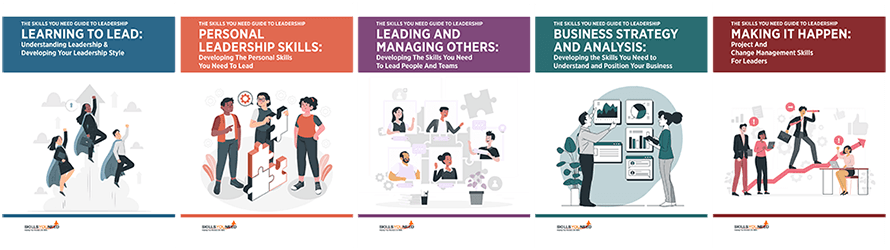
The Skills You Need Guide to Leadership eBooks
Learn more about the skills you need to be an effective leader.
Our eBooks are ideal for new and experienced leaders and are full of easy-to-follow practical information to help you to develop your leadership skills.
Conclusion
Saving money in business is not about cutting corners or delivering a substandard product. It is about efficiency, foresight, and respect for resources.
By auditing your overheads, valuing your staff, remaining agile, negotiating effectively, and forecasting your cash flow, you build a business that is resilient. These skills do more than just save a few dollars; they build a foundation that can weather economic storms and support sustainable long-term growth.
About the Author
James Daniels is a freelance writer, business enthusiast, a bit of a tech buff, and an overall geek. He is also an avid reader, who can while away hours reading and knowing about the latest gadgets and tech, whilst offering views and opinions on these topics.