


8 Techniques to Become a Better Manager of People
See also: Motivation SkillsThe differences between a mediocre manager and an extraordinary one are many, but they often come down to a specific set of skills and attitudes. A great manager can motivate a team to achieve incredible results and foster a positive, productive environment, while a poor one can create a toxic atmosphere that stifles growth.
So, what combination of techniques makes for the perfect manager?
8 Essential Management Techniques
Becoming a better manager of people is a journey of continuous improvement. Here are eight techniques you can develop to become a successful and respected leader.
Cultivate a Desire to Improve
The first step to becoming a better manager is the genuine desire to improve. A manager who is not open to acknowledging how they can grow will struggle to progress. The ambition to learn and implement new techniques is essential. By refusing to become complacent and believing in your quest to improve, you will find yourself becoming a more successful leader.
Strengthen Your Emotional Intelligence
Every individual has an inherent level of emotional intelligence, and managers with a highly developed EQ have a much better ability to understand, empathize with, and motivate their staff. This understanding on both a personal and professional level goes a long way toward explaining their success as effective leaders.
Invest in Making Connections
Adopting a personal approach to your interactions with staff contributes to their feelings of respect and being valued. Managers who fail to invest in team-building relationships often leave their people feeling disconnected. Learning about your staff on an individual basis helps build stronger connections and assists with the development of collaborative working relationships. This strengthens the team as a whole by fostering positive communication and a more effective working environment.
Practice Introspection and Welcome Feedback
It is almost impossible to improve if you are not aware of the areas that need improvement. A good manager of people welcomes feedback on their own performance. They create opportunities to become more aware of how they are perceived and the consequences their actions have on others. Asking for formal or informal feedback from employees or receiving peer reviews are great ways to increase your self-awareness, which will ultimately assist you in identifying your own areas for development.
Commit to Ongoing Education
Just as many jobs require upskilling, a successful leader must also be willing to participate in ongoing education. This means seeking out opportunities to learn new techniques for managing staff and searching for ways to improve. What works for one team may not work for the next, so a strong people manager will invest in their own personal development through lifelong learning and continuing professional development.
Develop Patience
As a manager, patience is one of the most critical skills you can learn. A good manager doesn’t have a short fuse, nor will staff be scared to approach them for fear of a blow-up. Developing your patience, and being known for integrating it into the everyday management of your team, is essential. New staff need to see your patience during their onboarding, and existing staff need to trust you to handle challenging situations calmly.
Practice Fairness
Another key trait of strong leaders is fairness. It’s human to click with some personalities more than others, but a good manager has the ability to rise above this and exert fairness in their authority. A manager able to do this will gain respect. Favouritism is not part of the job, but leading the whole team to success is.
Exude Enthusiasm
People become excited when working with a manager who enjoys what they do. A manager who exudes genuine pride and enthusiasm for their work is inspiring. A good people manager dedicates time to improving the quality of their work as well as investing in their staff, and it’s this combination that becomes infectious to others.
Further Reading from Skills You Need
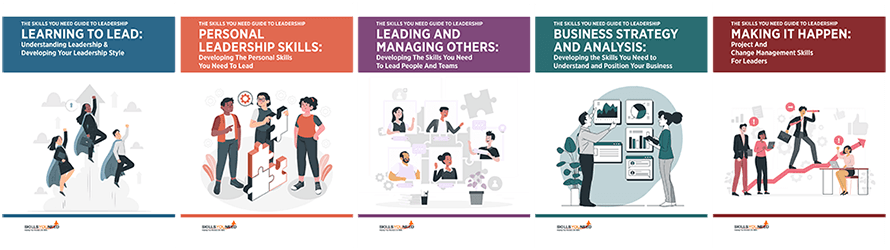
The Skills You Need Guide to Leadership eBooks
Learn more about the skills you need to be an effective leader.
Our eBooks are ideal for new and experienced leaders and are full of easy-to-follow practical information to help you to develop your leadership skills.
Conclusion
Becoming an extraordinary manager is a skill that can be developed with conscious effort. It requires a commitment to personal growth and a deep understanding of human dynamics. By strengthening your emotional intelligence, building genuine connections, practicing introspection, and leading with patience and fairness, you can create a positive and productive environment.
Ultimately, a great manager inspires their team through their own enthusiasm and dedication. By leading by example and investing in both your own skills and your staff, you can build a high-performing team and become the kind of leader everyone wants to work for.
About the Author
Joe Flanagan is a Senior Consultant with expertise in recruitment, resume writing, and workplace issues. He has provided outplacement services and developed job search facilities for clients across the globe.