


A Guide for Accidental Project Managers
See also: Project Management SkillsA project manager’s role is rarely as straightforward as it seems from the outside. Historically, this complexity is exactly why formal project management roles were offered only to a select, highly trained few.
However, in the modern workplace, the rise of the "accidental project manager" is incredibly common. You might be a brilliant marketer, a skilled software developer, or an efficient administrator who has suddenly been tasked with leading a cross-functional initiative. Without formal certification or a background in PRINCE2 or Agile, you are now responsible for balancing the classic project management constraints: scope, budget, and time.
At times, even the most experienced professionals feel the immense pressure of delivering a project successfully. Sometimes the budget is blown; other times, the timeline slips. First-time project managers do not have the cushion of prior experience to rely on. To help you navigate this complex new terrain, we have compiled an essential guide to help you deliver your project successfully and build your leadership confidence.
Establishing the Foundation
The success or failure of a project is almost always decided before the actual work begins. Getting the foundational elements right prevents chaos down the line.
Understand the Scope
A first-time project manager must have an absolute, unambiguous understanding of the project's scope. This does not just refer to the final business objective, but deeply involves the required tasks, physical and human resources, financial budget, and the delivery schedule. Proper project planning is non-negotiable.
You must establish exactly what is included in the project and—equally importantly—what is explicitly excluded. This prevents "scope creep," the silent killer of projects where additional features or tasks are slowly added without extending the budget or timeline. Ensure that every major stakeholder agrees to this scope in writing before you begin. Remember: well begun is half done.
Plan for Contingency
Optimism is a wonderful trait, but it has no place in a project schedule. A new project manager should always conduct basic risk management and contingency planning before the start of the project.
Unforeseen circumstances will inevitably arise. Key team members will fall ill, suppliers will deliver late, and technology will unexpectedly fail. Planning in advance for these scenarios provides a much-needed financial and temporal cushion. Add a realistic buffer to your budget and timeline to ensure that when a crisis hits, you have the breathing room required to solve it without jeopardising the entire project.
Building and Leading Your Team
A project manager rarely does the hands-on work; instead, they facilitate the environment for specialists to thrive. You are only as good as the team you lead.
Seek Help When Needed
A first-time project manager should never hesitate to seek help. No one expects you to know everything immediately. Instead of getting overwhelmed with the sheer volume of challenges, reach out to senior leaders, mentors, or other experienced managers for insight.
The sooner you ask for help, the sooner the issues at hand can be resolved. A slight delay in seeking help at the initial stage might be detrimental to the final delivery. Furthermore, ensure you gather the right mix of human resources. Different problems require different specialists. If you are lacking a specific skill set on your team, escalate the issue to management early to secure the right personnel.
Master the Art of Delegation
Accidental project managers often fall into the trap of doing the work themselves because it feels faster in the short term. This is a critical error. You must work on your delegation skills to ensure the workload is distributed evenly and appropriately.
Delegating is about much more than just shedding tasks. It helps inculcate a sense of ownership and liability among team members. When you trust a team member with a significant responsibility, you empower them to act as a future leader. Gaining the trust of the team is of utmost importance, and showing that you trust their professional judgment is the fastest way to build that rapport.
Maintaining Momentum and Delivery
Once the project is in motion, your primary job shifts from planning to monitoring, communicating, and course-correcting.
Maintain Regular Communication
The importance of regular, high-quality communication—both with the team and the external stakeholders—cannot be overstated. Regular check-ins with your team help you receive timely updates about project milestones, unearthing roadblocks before they become impassable barriers.
Timely communication facilitates effective decision making. If a stakeholder wants to change a requirement mid-project, clear communication ensures everyone understands how this change impacts the cost and schedule. A first-time project manager should always remain accessible. Listen closely to the team members who have hands-on experience with the technical tasks; they will often spot systemic issues weeks before they show up on your project dashboard.
Get Hands-On Experience Upfront
For a new project manager, nothing beats the pressure and education of a live project. Theoretical knowledge is fantastic, but experience cannot be faked. It comes from the sincere, messy efforts made to push a project over the finish line.
Do not be afraid to make mistakes; simply ensure you learn from them. Another excellent way of gaining experience rapidly is to shadow a seasoned project manager with a solid track record of success. Observe how they run their meetings, how they defuse tense situations with clients, and how they manage their time. Implement these specific strategies into your own workflow, and you will quickly transition from an "accidental" manager into a highly capable professional.
Further Reading from Skills You Need
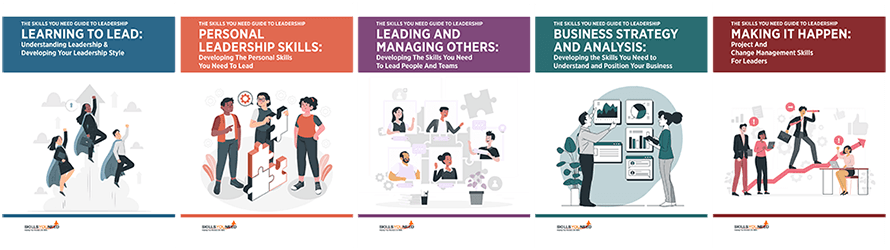
The Skills You Need Guide to Leadership eBooks
Learn more about the skills you need to be an effective leader.
Our eBooks are ideal for new and experienced leaders and are full of easy-to-follow practical information to help you to develop your leadership skills.
Conclusion
Stepping into the role of an accidental project manager can be incredibly daunting, but it is also a tremendous opportunity for career growth and leadership development. By meticulously understanding your scope, planning for contingencies, delegating effectively, and maintaining crystal-clear communication, you can navigate the complexities of any new initiative.
Remember that project management is a continuously evolving skill. Embrace the challenges, learn from your inevitable mistakes, and do not hesitate to lean on your resources and mentors to successfully guide your team to the finish line.
About the Author
Suha Emma is a Content Marketing Manager and Product Specialist with over six years of experience in professional certification methodologies, including PMI-PMP, PRINCE2, ITIL, and Six Sigma. She specialises in helping accidental managers streamline their processes and build high-performing teams.