

10 Leadership Tips for
Accidental Managers
See also: Understanding Leadership
Management is a highly learnable skill, yet it is a shame that too few people are given the chance to learn it properly before being thrust into the role. A shocking 63% of managers in the UK report having had no formal management training before taking on their leadership responsibilities.
These figures reflect the rapid rise of the "accidental manager"—highly competent members of staff who never explicitly chose the management route, but were promoted because they were excellent at their technical day jobs. Unfortunately, being great at doing the work does not automatically make you great at managing the people who do the work. The transition requires a completely new mindset and a distinct set of interpersonal skills.
If you fall into this category and suddenly find yourself responsible for a team, you are not alone. The learning curve can be steep, but with intentional effort, you can master the art of leadership. Here are 10 essential tips to help you become a better, more confident manager.
10 Essential Tips for the Accidental Manager
Be a Role Model (Be a Hero)
The essential difference with any management job is your new position as a role model to junior members of your team. You set the weather for the office. If you are stressed and erratic, your team will be stressed and erratic. If you are calm, focused, and diligent, they will follow suit.
This means that you need to demonstrate impeccable values of integrity, diligence, and professionalism to encourage others around you to do the same. Leading by example is the most effective form of leadership. Be trustworthy, honest, and fiercely supportive of your team, and they will naturally reciprocate with loyalty and hard work.
Go Back to School
As sure as Rome wasn’t built in a day, you will not become a great manager instantly. Leadership is an ongoing educational journey.
To improve over time, make sure you actively seek out resources to upgrade your skills. This might mean observing experienced managers around you to adopt their best qualities, reading reputable management books, or asking HR to enrol you in an introductory leadership course to teach you the fundamentals. Do not wait for training to be handed to you; take ownership of your professional development.
Scope Your Own Job
Delving into management for the first time can be a daunting task, and one that risks confusing you over what you are actually meant to be doing. New managers often fall into the trap of doing their old job alongside their new management duties, leading to rapid burnout.
Be crystal clear with your superiors about what you are responsible for and, importantly, what is beyond your remit. If you feel as though you need support or more resources, ask for them immediately. Make those requests to your superiors in a timely fashion so you do not encounter operational failure down the line.
Master Your Own Time
Being a manager is not just about delegating what others do in their working days. You need to manage yourself, and your own schedule, ruthlessly.
There will be times when meetings overrun, deadlines get stretched, and the workload piles up. If you find this is a problem, try implementing the Pomodoro Technique, which involves breaking your working day into 25-minute intervals of deep focus. By managing your own distractions, you ensure you have the mental bandwidth to support your team when they need you.
Prioritise Like a President
If you simply write a chronological list of your tasks for the week, you will not get a realistic picture of what should take precedence, and you will quickly become overwhelmed.
A simple, highly effective criterion for determining what tasks should be done (and when) is to follow former US President Dwight Eisenhower’s Urgent/Important Principle. By distinguishing between which tasks are genuinely important (strategic planning, team coaching) and those which are merely urgent (putting out minor fires), you can prioritise better and delegate appropriately. See our page on Time Management for more information.
Develop the Four C's
According to the American Management Association, there are four "C"s which characterise the most important skills that future managers will need to succeed in a complex business environment.
These are Critical Thinking, Communication Skills, Collaboration, and Creativity and Innovation. If you feel deficient in any of these areas, it is absolutely worthwhile taking the time to learn and practice them. Mastery of these four pillars will allow you to navigate almost any management challenge.
Invite Outsiders In
One of the most dangerous traps for any team is groupthink—a culture of pre-determined logic where everyone agrees simply to avoid conflict. As a manager, you must actively seek out diversity of thought.
When you bring in new hires, external consultants, or colleagues from other departments, make sure you genuinely listen to their external view. It is vital to welcome different perspectives; otherwise, your team will stagnate. Be mindful of people telling you only what they think you want to hear. Actively solicit constructive criticism and reward those who respectfully challenge your ideas.
Don't Be Too Nice
Fairness works both ways. While you might be the type of person who loves to lavish praise on good performance, a manager's true test is how they handle underperformance.
Avoiding difficult conversations because you want to be "liked" damages the morale of your high performers. Addressing poor work does not mean shouting or issuing immediate warnings; it means having a firm, empathetic conversation to find out the root cause. Underperformance is just as likely to be due to problems at home or a lack of training as it is laziness. Offer support, but hold them accountable to clear standards.
Keep Your Ear to the Ground
Whether your colleagues are facing serious operational issues or have simple gripes about office politics, you need to know what obstacles are standing in their way.
Create a safe, confidential environment for your team to share their frustrations. Team members can often be highly reluctant to pass on problems regarding process, culture, or working relationships to their boss. You need this knowledge to fix systemic issues, so you must proactively foster psychological safety. Consider holding regular, informal one-on-one meetings where the focus is solely on how you can remove roadblocks for them.
Know that Hard Times Pass
When faced with adversity, rely on your personal resilience and grit. Research indicates that companies resilient to setbacks almost always have managers who possess deep reserves of personal resilience.
Try to ride out periods of crisis by reminding yourself, and those around you, that no problem lasts forever and that a turnaround is possible. You may not always feel optimistic on the inside, but projecting a sense of calm control is vital. Try not to panic—think carefully about what you are asking your team to do, and ensure it is a considered strategy rather than a knee-jerk reaction to a short-term crisis.
Further Reading from Skills You Need
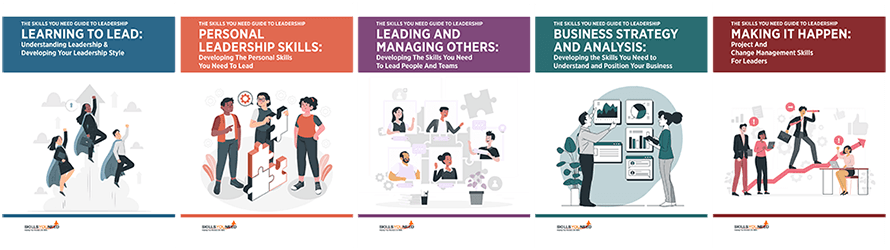
The Skills You Need Guide to Leadership eBooks
Learn more about the skills you need to be an effective leader.
Our eBooks are ideal for new and experienced leaders and are full of easy-to-follow practical information to help you to develop your leadership skills.
Conclusion
Becoming an accidental manager can feel like being thrown into the deep end, but it is also an incredible opportunity for personal and professional growth. By focusing on your own emotional intelligence, fiercely protecting your time, and committing to the continuous development of both yourself and your team, you will quickly transition from an accidental boss into an intentional, highly effective leader.
About the Author

Petra Wilton takes a lead role in building strategic partnerships in the public policy arena. She is responsible for promoting the needs of practising managers through engaging with and accessing the views of The Chartered Management Institute's vast membership base. Through a bespoke thought leadership agenda, these views are shared with those in Government, business, education, and the media to improve leadership standards globally.