


42 Ways to be a Boss
at Being a Boss
See also: Leading People
To effectively lead a team, it is highly unlikely that a single management course will be sufficient. The journey to becoming great management requires a continuous process of self-improvement, emotional intelligence, and trial and error.
Good leadership requires individuals to call on a wealth of interpersonal and strategic skills to get the most from their employees. Whether you are leading a small creative team or a large corporate organisation, the distinction between a "manager" and a "leader" comes down to daily habits and behaviours. To help you hone your existing skills and put them into practice, we have compiled 42 sure-fire ways to become the best leader you can be.
Communication and Transparency
Clear communication is the bedrock of effective leadership. Without it, confusion breeds and productivity drops.
- Practice Active Listening: Do not just wait for your turn to speak. Listen to understand your employees' concerns and ideas fully.
- Maintain an Open-Door Policy: Make sure your team knows they can approach you with problems before they escalate into crises.
- Set Clear Expectations: Ambiguity is the enemy of success. Clearly define what a successful outcome looks like for every project.
- Provide Real-Time Feedback: Do not save all your constructive criticism for the annual review. Offer gentle, immediate feedback to help employees course-correct.
- Ask for Feedback in Return: A great boss is open to being managed upwards. Regularly ask your team how you can better support them.
- Be Transparent About Company Goals: Share the "why" behind executive decisions so your team understands how their work fits into the bigger picture.
- Read Non-Verbal Cues: Pay attention to body language. Often, an employee's posture or tone of voice will tell you more about their stress levels than their words.
Emotional Intelligence and Empathy
A boss manages tasks; a leader manages people. High emotional intelligence (EQ) is non-negotiable for modern management.
- Develop Self-Awareness: Understand your own stress triggers and how your mood affects the atmosphere of the entire office.
- Lead with Empathy: Try to see situations from your employees' perspectives, especially when they are struggling with personal or professional challenges.
- Control Your Reactions: When mistakes happen, react with a problem-solving mindset rather than anger or panic.
- Practice Humility: Admit when you are wrong or do not know the answer. It builds immense trust with your team.
- Watch for Burnout: Proactively monitor your team for signs of exhaustion and intervene before their physical or mental health suffers.
- Resolve Conflict Neutrally: When team members clash, utilise strong conflict resolution skills to mediate the situation objectively without picking favourites.
- Respect Cultural Differences: Tailor your leadership approach to accommodate the diverse backgrounds and working styles of your team members.
Delegation and Trust
You cannot do it all yourself. Empowering your team through effective delegation is the only way to scale your operations.
- Stop Micromanaging: Hire good people and get out of their way. Focus on the final outcome rather than controlling the exact process.
- Delegate to Develop: Assign tasks that stretch your employees' abilities and help them learn new skills, rather than just offloading busywork.
- Provide the Right Resources: You cannot expect a job well done if you do not provide the necessary time, budget, or tools.
- Allow for Safe Failures: Create an environment where taking calculated risks is encouraged, and failure is viewed as a learning opportunity.
- Celebrate Team Wins: Publicly acknowledge the hard work of your team. Share the credit generously.
- Take the Blame: When things go wrong externally, shield your team and take responsibility as the leader. Address the root cause internally later.
- Trust Their Expertise: If an employee knows more about a specific software or process than you do, defer to their judgment.
Vision and Strategic Thinking
A great boss must look up from the daily grind, apply strategic thinking, and steer the ship toward long-term success.
- Define a Clear Mission: Ensure every team member knows exactly what the team is trying to achieve this quarter and this year.
- Align Daily Tasks with Strategy: Help employees see how their daily, repetitive tasks contribute directly to the overarching vision.
- Embrace Adaptability: When market conditions or company directives change, pivot gracefully without complaining.
- Make Data-Driven Decisions: Use metrics and objective data to guide your strategies, rather than relying solely on gut feelings.
- Encourage Innovation: Regularly hold brainstorming sessions where "bad ideas" are welcomed to spark creative thinking.
- Prioritise Ruthlessly: Protect your team from scope creep by saying "no" to projects that do not align with your core objectives.
- Commit to Continuous Learning: Read industry books, attend seminars, and constantly look for ways to upgrade your own leadership skills.
Team Development and Coaching
Your legacy as a boss is defined by how many leaders you create beneath you.
- Act as a Mentor, Not Just a Manager: Take a genuine interest in the long-term career trajectories of your staff.
- Identify Hidden Potential: Look for quiet employees who have great ideas but lack the confidence to share them, and gently draw them out.
- Invest in Training: Fight for budget to send your team to conferences, courses, and workshops.
- Map Out Career Paths: Sit down with each employee to discuss where they want to be in five years and how you can help them get there.
- Encourage Peer Coaching: Pair junior staff with senior team members to foster a culture of collaborative internal learning.
- Conduct Meaningful 1-on-1s: Do not just use one-on-one meetings for status updates; use them to discuss roadblocks, well-being, and professional growth.
- Lead by Example: Do not ask your team to work late if you are leaving early. Model the work ethic and integrity you expect from them.
Fostering Culture and Well-being
A healthy workplace culture leads to higher retention, better morale, and increased productivity.
- Promote Work-Life Balance: Actively discourage employees from answering emails late at night or working through their weekends.
- Foster Psychological Safety: Ensure your team feels entirely safe voicing dissenting opinions without fear of retaliation or mockery.
- Recognise Diverse Needs: Understand that a working parent and a recent graduate may require different types of support and flexibility.
- Champion Flexible Working: Where possible, judge your team on their output, not the hours they spend physically sitting at a desk.
- Organise Team Bonding: Plan semi-regular, low-pressure social events to help the team build rapport outside of a professional context.
- Prioritise Mental Health: Speak openly about stress and mental well-being to remove the stigma in your office.
- Say "Thank You": Never underestimate the power of a simple, genuine expression of gratitude for a job well done.
Further Reading from Skills You Need
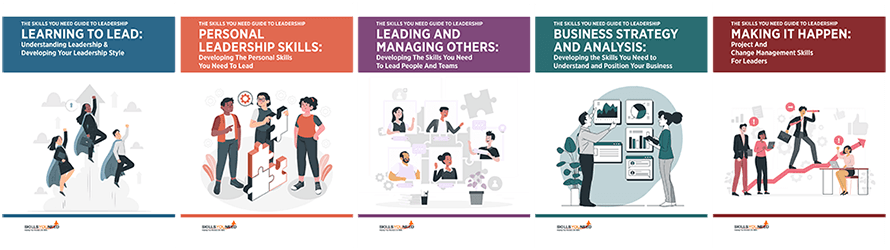
The Skills You Need Guide to Leadership eBooks
Learn more about the skills you need to be an effective leader.
Our eBooks are ideal for new and experienced leaders and are full of easy-to-follow practical information to help you to develop your leadership skills.
About the Author
Will Bridges is an experienced HR Consultant dedicated to helping the workforce navigate complex leadership challenges. He specialises in workplace wellbeing, building resilient teams, and supporting professionals in developing highly effective management strategies.